Algorithmic Refinement of Wager Recommendations Through Transaction History and Market Data Integration
Sofia Lorenz · Oct 23, 2026
Algorithmic Refinement of Wager Recommendations Through Transaction History and Market Data Integration
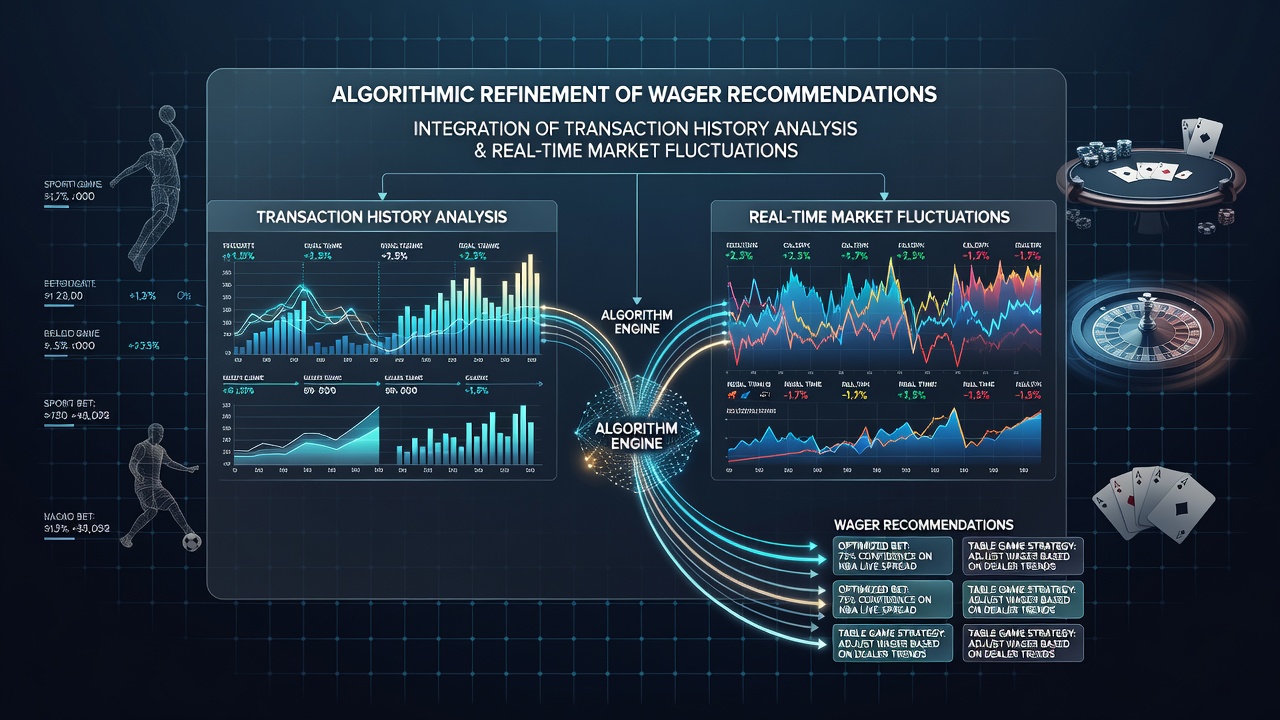
Platforms that combine sports betting with table games such as blackjack and roulette rely on algorithms to adjust individual wager suggestions as new information arrives. These systems examine sequences of past deposits, withdrawals, bet sizes, and outcomes while monitoring shifts in live odds and liquidity across multiple event types. The combination allows platforms to update recommendations without requiring separate tools for each category of activity.
Transaction History as a Data Foundation
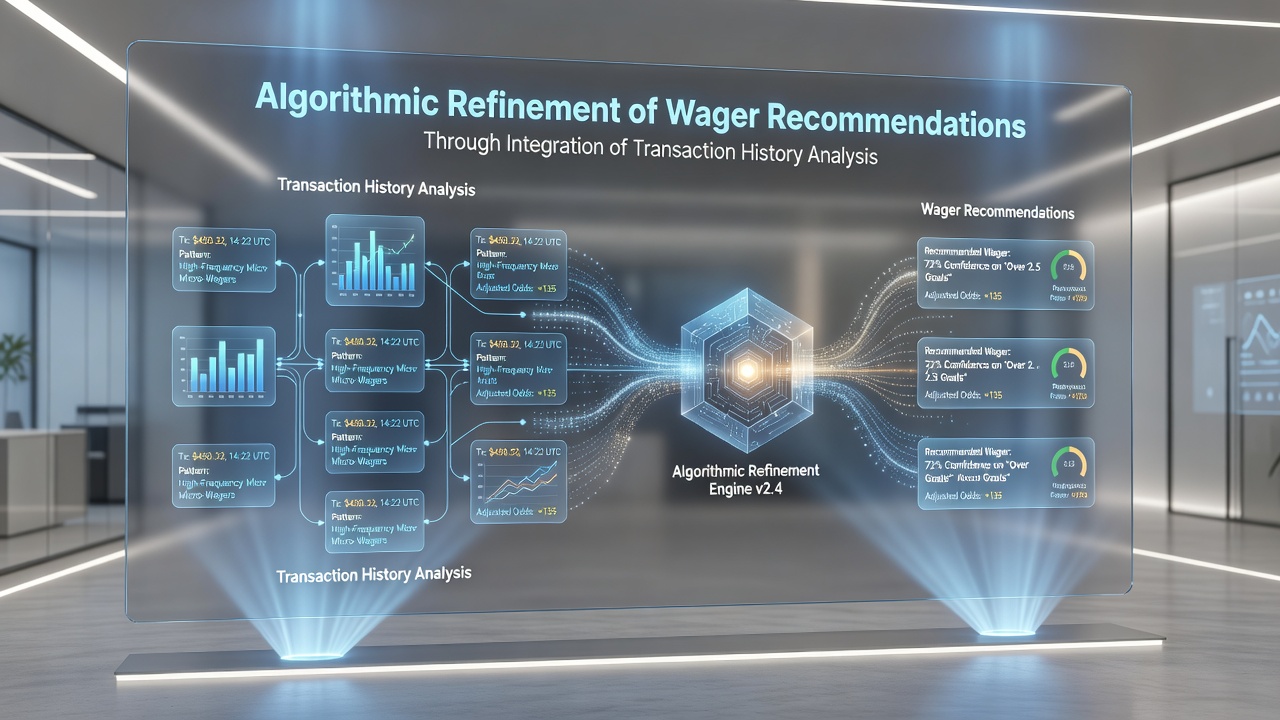
Transaction records supply structured inputs that algorithms convert into user-specific profiles. Deposits at particular times of day, patterns of stake increases after wins, and withdrawal frequencies form measurable sequences. Researchers have documented how clustering techniques group similar histories, then map those clusters to probability adjustments for upcoming wagers. One study released by the National Council on Problem Gambling examined data sets from multi-product operators and found that models trained on six months of transaction logs produced narrower confidence intervals around projected bet acceptance rates than models using only demographic variables.
Because table game sessions often generate higher volumes of smaller transactions than sports bets, algorithms apply weighting factors that normalize across activity types. This normalization prevents sports-heavy histories from dominating recommendations during table game sessions and vice versa. Observers note that operators began rolling out these weighted models more widely after regulatory updates in several North American jurisdictions during 2025.
Real-Time Market Fluctuations and Dynamic Adjustments
Live market data streams supply the second major input stream. Odds movements on major sports leagues, changes in table game payout percentages during promotional windows, and shifts in liquidity on in-play markets all feed into teh same recommendation engine. When a sudden line movement occurs on a football game, teh algorithm checks recent transaction clusters for users who previously bet similar lines and recalculates suggested stake sizes accordingly. The same engine simultaneously reviews table limits and recent roulette spin outcomes to decide whether to surface a related casino recommendation.
Integration occurs through shared data pipelines that update every few seconds. These pipelines connect odds management systems with customer transaction databases so that a single scoring function produces outputs for both sports and table game interfaces. Data from the Australian Gambling Research Centre indicates that operators using unified pipelines recorded measurable reductions in recommendation latency compared with earlier segmented approaches.
Implementation in Mixed-Activity Environments
Hybrid applications present unique requirements because users frequently switch between sports and table games within a single session. Algorithms therefore maintain separate context flags while sharing the underlying transaction and market feature sets. When a user places a live basketball bet, the system logs the stake and outcome timing, then immediately factors that data into the next table game suggestion if the user navigates to the casino section. This cross-context updating relies on sequence modeling rather than static rules.
By October 2026 several major operators had expanded testing of reinforcement learning variants that treat each user session as an episode. These variants receive rewards based on observed engagement metrics such as continued play duration and deposit frequency. Early results shared in industry technical briefings showed faster convergence when transaction features and market volatility signals were combined in the state representation.
Regulatory and Technical Considerations
Regulators in multiple regions now request documentation on how transaction-derived features influence automated recommendations. Canadian provincial frameworks, for example, require operators to demonstrate that models do not create differential treatment across user segments without clear justification. European operators face similar disclosure expectations under updated consumer protection guidelines issued in 2025. Compliance teams therefore maintain audit trails that record which transaction variables and market inputs contributed to each recommendation change.
Technical teams address latency by maintaining feature stores that pre-compute rolling aggregates of transaction metrics. These stores update through event-driven triggers rather than batch jobs, allowing the recommendation service to retrieve current values within milliseconds. Market data feeds undergo similar preprocessing so that volatility indicators remain synchronized with transaction profiles.
Conclusion
Integration of transaction history analysis with real-time market signals has become a standard component of recommendation systems on platforms that host both sports and table game products. The approach produces continuously updated suggestions that reflect both individual behavior patterns and external market conditions. Continued refinement of these systems depends on access to high-quality labeled data and ongoing alignment with evolving regulatory requirements across jurisdictions.