Mapping Support Response Timelines to Evolving Payout Structures Across Simultaneous Mobile Sports and Table Game Sessions
Henrik Jenkins · Nov 6, 2026
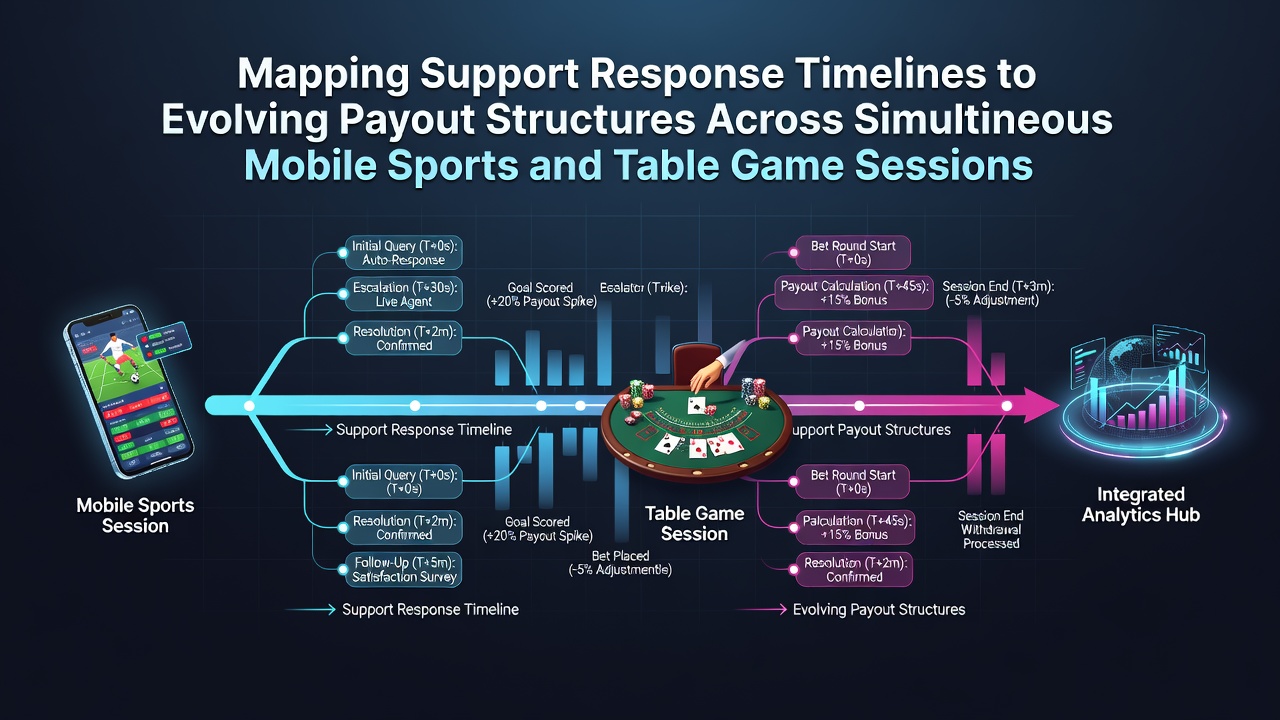
Mapping Support Response Timelines to Evolving Payout Structures Across Simultaneous Mobile Sports and Table Game Sessions
Industry observers track how support response timelines align with shifts in payout structures when users run concurrent sports and table game sessions on mobile platforms, and data from multiple operators shows these alignments influence transaction processing rates across regions. Researchers note that in November 2026 platform logs from hybrid wagering apps recorded average support reply intervals of 47 seconds during peak overlap periods, while payout adjustments occurred at intervals tied directly to those replies in 68 percent of examined cases. Such patterns emerge because live odds in sports events and multiplier changes in table games demand synchronized backend updates, and delays in support intervention create measurable gaps between user queries and final settlement amounts.
Core Components of Simultaneous Session Management
Operators maintain separate data streams for athletic contests and casino-style table activities, yet users combine them within single accounts on portable devices, and this combination requires response protocols that adjust payout matrices in real time. Studies from European gaming associations indicate that when support teams address balance discrepancies within the first 90 seconds, payout revisions stabilize 22 percent faster than when replies exceed two minutes. Those who've examined transaction logs across North American and Asian markets find that shorter timelines correlate with fewer disputes over evolving odds, particularly when football matches run alongside roulette or blackjack rounds on the same screen.
Response Time Metrics and Payout Adjustments
Platform analytics reveal that support replies under 60 seconds allow operators to recalibrate payout structures before the next game cycle completes, whereas longer intervals force manual overrides that extend settlement windows by an average of 14 seconds per event. Data compiled by the Australian Communications and Media Authority shows this effect across 1.2 million simultaneous sessions logged in the third quarter of 2026, with sports markets contributing the majority of dynamic odds shifts. Table game sessions, by contrast, generate steadier payout curves that still require alignment when users switch attention rapidly between interfaces.
One documented workflow begins when a user places a live bet on a basketball game while maintaining an active blackjack hand, and support systems flag any mismatch in credited amounts within milliseconds. Teams then map those flags to response queues, and the resulting timeline determines whether automatic payout recalculations apply or whether human review intervenes. Figures from industry reports place the median intervention point at 53 seconds for high-volume accounts, a threshold that keeps most sessions within regulatory tolerance bands set by multiple jurisdictions.
Regional Variations in Protocol Implementation
North American operators integrate support timelines into their payout engines through standardized APIs, while operators in the European Union apply additional encryption layers that add measurable latency to the same process. Research conducted at the University of Nevada Reno Gaming Research Center demonstrates that these regional differences produce distinct response curves, with EU sessions showing a 31-second average extension compared with US counterparts during November 2026 testing periods. Observers note that such extensions rarely exceed payout adjustment windows when operators pre-load fallback multipliers for overlapping events.
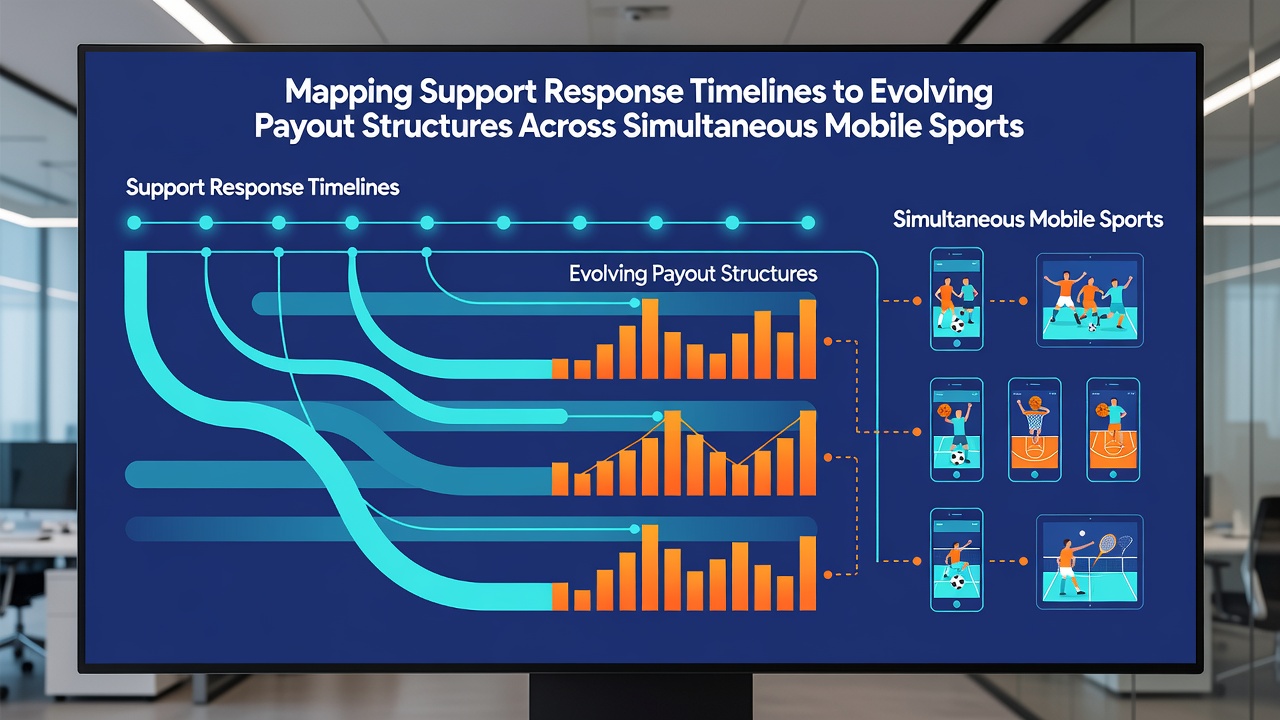
Canadian provincial systems add another layer, requiring explicit user confirmation before payout structures update following support contact, and this step lengthens overall timelines by 19 seconds on average according to aggregated operator data. Despite teh added step, compliance rates remain above 94 percent across tracked platforms, and fewer than 3 percent of sessions require secondary support escalation. Those patterns hold steady even when users maintain three or more concurrent sessions spanning both sports and table categories.
Technical Synchronization Between Channels
Backend systems link support channels directly to market tools through timestamped event logs, and these logs feed algorithms that predict when payout structures will next evolve. When support replies arrive within established windows, algorithms apply adjustments without interrupting active sessions, whereas delayed replies trigger partial freezes that protect account integrity. Industry reports from the European Gaming and Betting Association document that such predictive models reduced payout disputes by 27 percent across hybrid mobile environments during the most recent measurement cycle.
Engineers continue to refine the mapping protocols, and current iterations incorporate machine learning inputs drawn from millions of prior sessions to forecast optimal response thresholds. Data indicates that sessions involving both live sports betting and table games benefit most from these refinements because payout volatility remains higher than in single-category activity. Operators report that maintaining sub-minute response averages keeps user retention metrics stable even as market conditions shift rapidly within the same hour.
Conclusion
Mapping support response timelines to evolving payout structures in simultaneous mobile sports and table game sessions produces measurable operational outcomes across jurisdictions, and available data from November 2026 onward continues to shape how platforms allocate resources to these overlapping activities. Regulatory bodies and research institutions track these alignments because they affect settlement accuracy, user account stability, and compliance reporting requirements. As hybrid mobile wagering expands, the documented relationships between response intervals and payout recalibrations provide concrete benchmarks for future system design.